Why pain becomes chronic, how Thai traditional medicine reads it as a wind-and-structure imbalance, and the treatments that ease it at the root.
Overview
Pain that lingers beyond three months — in the lower back, neck, shoulders, knees, or across the joints — is one of the most common reasons people seek our help. Conditions such as chronic low-back pain, frozen shoulder, osteoarthritis, and office-syndrome muscle strain rarely have a single cause. Thai traditional medicine does not chase the ache alone; it asks why the tissue, circulation, and "wind" pathways around it stopped functioning smoothly, and works to restore that flow.
General Causes
Modern medicine recognises a layered set of contributors. Often several act together, which is why isolated painkillers give only partial relief:
The Thai Medicine View
In Thai traditional medicine, chronic pain is most often a disorder of the Wind element (ลม / Vāta) moving through the body's structure, the Earth element (ดิน). When wind cannot circulate freely along the sen energy lines, it stagnates — producing stiffness, numbness, aching, and restricted movement. Cold and dampness, ageing, and overwork weaken the tissues and let this stagnation set in.
Treatment therefore aims to warm the area, open the sen lines, move trapped wind, and rebuild the strength of the structure. This is why Thai therapy leans heavily on heat (herbal compress and steam), movement (massage and assisted stretching), and warming, circulation-promoting herbs rather than on numbing the pain alone.
Thai Traditional Treatment
A personalised plan usually combines several of the following, adjusted to your constitution and the severity of the condition.
A heated compress of Plai, turmeric, lemongrass, and camphor is pressed along the painful area to deliver warmth and volatile oils deep into muscle, easing spasm and improving local circulation.
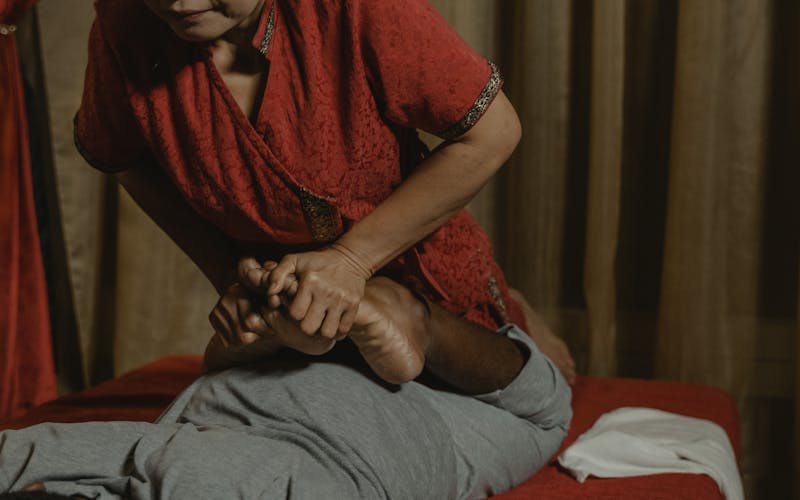
Court-type Thai massage and acupressure release tight fascia, mobilise stiff joints, and move stagnant wind along the sen lines — restoring range of motion and reducing referred pain.
Compounded formulas with anti-inflammatory and circulation-promoting herbs are prescribed to address systemic inflammation and support cartilage and connective tissue from within.
Key Herbs
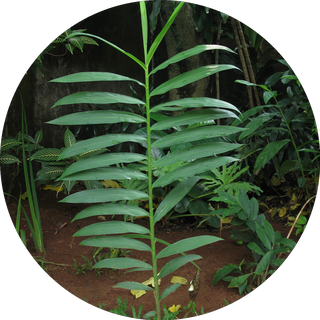
ไพล
Anti-inflammatory and anti-spasmodic; the backbone of Thai pain compresses and massage oils.
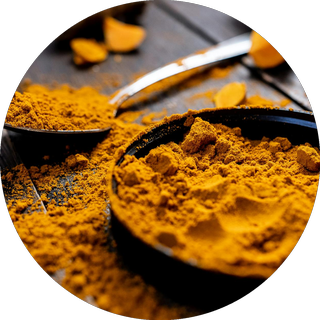
ขมิ้นชัน
Curcumin offers anti-inflammatory action studied for knee osteoarthritis relief.
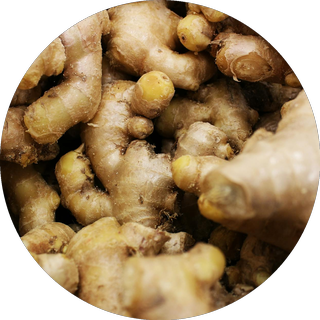
ขิง
Warming and circulation-promoting; eases joint stiffness and muscular cold-type pain.
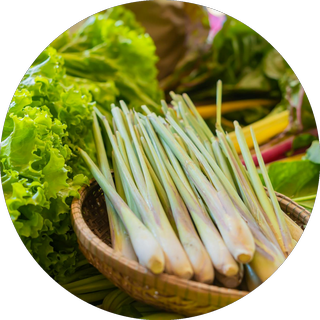
ตะไคร้
Aromatic and warming; a core compress herb that relaxes muscle and relieves aches.
Self-Care & Prevention
References & Further Reading
Frequently Asked Questions
Many patients notice relief after the first few compress-and-massage sessions, but chronic conditions usually need a course of treatment over several weeks alongside internal herbs. Your practitioner will set realistic expectations at your assessment.
It is best used alongside, not instead of, your prescribed care. Never stop medication without your doctor's guidance. Our practitioners screen for herb–drug interactions and coordinate a complementary plan.
Heat therapy is avoided over acute injuries, open wounds, areas of numbness, and in some circulatory or skin conditions. Tell your practitioner your full history so the plan can be adapted safely.
Book a consultation and let our licensed practitioners build a personalised plan for you.
Book a Consultation