
Bloating, sluggish digestion, and weight or blood-sugar concerns seen as a weakened digestive fire — and how Thai medicine rekindles it.
Overview
Bloating, irregular bowels, acid reflux, low energy after meals, stubborn weight, and rising blood sugar are all signs that digestion and metabolism are out of balance. In Thai traditional medicine, good health begins in the gut: when the digestive "fire" is strong, food becomes clean energy; when it is weak, food turns to stagnation and toxins. Treatment focuses on rekindling that fire and clearing what has accumulated.
General Causes
Modern medicine points to a cluster of overlapping factors:
The Thai Medicine View
Thai medicine attributes poor digestion to a deficient Fire element (ไฟ / Pitta) — the metabolic heat that "cooks" food — often combined with disordered Wind (ลม) that causes gas and irregular movement, and excess Water (น้ำ) that manifests as heaviness, phlegm, and swelling. When fire is low, undigested residue accumulates and becomes the seed of further illness.
Treatment uses warming, bitter, and aromatic herbs to stimulate the digestive fire, carminatives to move trapped wind, and dietary correction matched to your constitution. Rather than suppressing symptoms, the aim is to restore efficient digestion so the body extracts nourishment cleanly.
Thai Traditional Treatment
Plans combine internal herbs, dietary therapy, and abdominal bodywork.
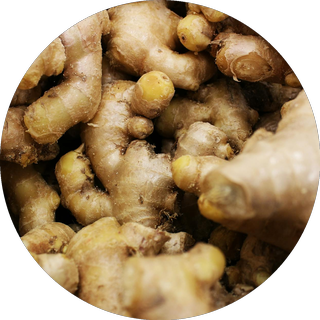
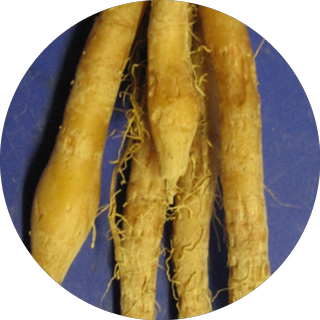
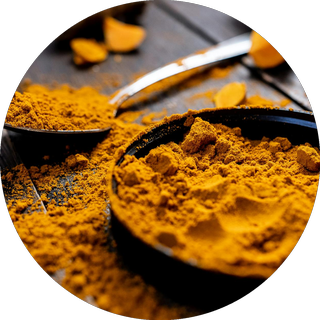
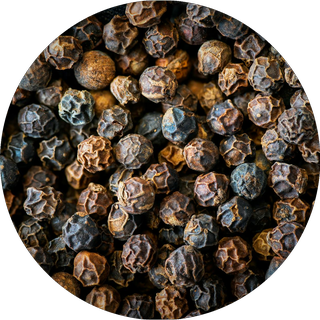
Formulas of ginger, fingerroot, turmeric, and pepper-family herbs stimulate the digestive fire, relieve bloating, and support healthy bowel movement.
A personalised eating plan — warm, freshly cooked, appropriately spiced food at regular times — rebuilds metabolism and steadies blood sugar.
Gentle abdominal massage and warm herbal compress stimulate gut motility, ease cramping, and help relieve stagnation.
Key Herbs
ขิง
Warms the gut, relieves nausea and bloating, and promotes healthy digestion.
กระชาย
A traditional digestive tonic used for bloating, gastric discomfort, and gut health.
ขมิ้นชัน
Eases dyspepsia and supports the liver, digestion, and a healthy inflammatory balance.
พริกไทย / ดีปลี
Classic "fire-kindling" spices that stimulate appetite and metabolism.
Self-Care & Prevention
References & Further Reading
Frequently Asked Questions
Some herbs such as turmeric have research suggesting metabolic benefit, but they support — they do not replace — medical care and glucose monitoring. Always coordinate with your doctor and never stop diabetes medication on your own.
It is not a crash diet. We work on restoring healthy digestion and metabolism, which can support gradual, sustainable weight change alongside diet and activity guidance.
Not every constitution needs warming herbs; some reflux patterns call for cooling, soothing approaches instead. This is why a personal assessment guides which herbs are right for you.
Book a consultation and let our licensed practitioners build a personalised plan for you.
Book a Consultation