Irregular cycles, PMS, and menopausal change met with traditional Thai uterine tonics, phytoestrogen herbs, and constitutional care.
Overview
Irregular or painful periods, premenstrual syndrome, fertility concerns, and the hot flushes and mood changes of menopause all reflect shifting hormones. Thai traditional medicine has a long heritage of women's medicine (เวชกรรมสตรี), using uterine tonics, blood-moving and warming herbs, and phytoestrogen-rich plants to help bring the female cycle back into a natural, comfortable rhythm.
General Causes
Hormonal balance is sensitive to many influences, including:
The Thai Medicine View
Thai women's medicine views menstrual problems largely as disorders of blood (โลหิตระดู) and Wind (ลม): stagnant or cold blood produces clots and cramping pain, while disordered wind brings irregularity, bloating, and mood swings. Menopausal symptoms are understood as the natural decline of vital essence, where warming, nourishing, and balancing support eases the transition.
Treatment aims to warm and move the blood, regulate wind, and tonify the uterus and overall constitution. Phytoestrogen-rich herbs such as Pueraria mirifica and uterine tonics like Curcuma comosa have a long traditional use, alongside the post-partum tradition of "lying by the fire" (อยู่ไฟ) and abdominal warming.
Thai Traditional Treatment
Care is matched to your cycle, life stage, and constitution.
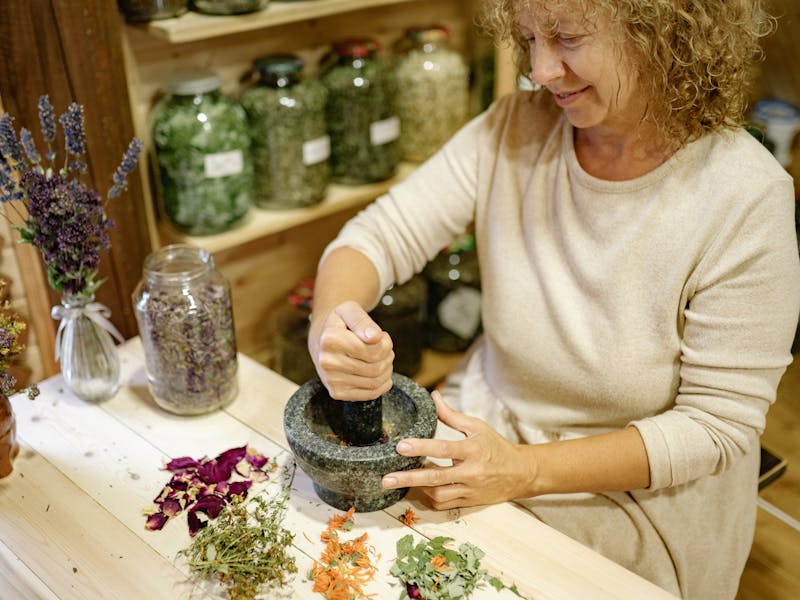
Traditional formulas warm and move the blood, ease cramping, and support a regular cycle — adjusted to whether your pattern is one of cold, stagnation, or deficiency.
Phytoestrogen-rich herbs such as Pueraria mirifica are used traditionally to support perimenopausal and menopausal comfort, always under practitioner guidance.
Herbal compress, abdominal massage, and the traditional post-partum warming practices help relieve cramping and support recovery and balance.
Key Herbs
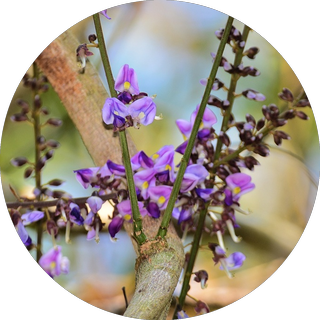
กวาวเครือขาว
Pueraria mirifica, rich in phytoestrogens, traditionally used for menopausal support.
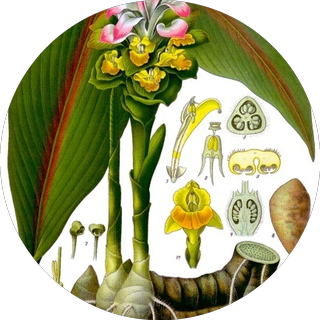
ว่านชักมดลูก
Curcuma comosa, a classic Thai uterine tonic used for menstrual and post-partum care.
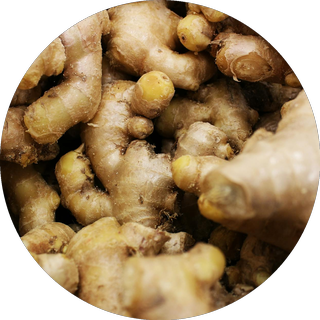
ขิง
Warming and blood-moving; studied for relieving menstrual cramps (dysmenorrhoea).
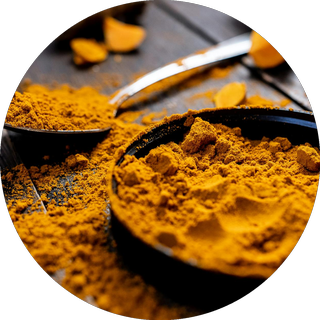
ขมิ้นชัน / ฝาง
Blood-regulating herbs used traditionally to support healthy menstruation.
Self-Care & Prevention
References & Further Reading
Frequently Asked Questions
Not always. Phytoestrogen herbs such as Pueraria mirifica are potent and are not suitable in pregnancy or with certain hormone-sensitive conditions. They must be used only under the guidance of a licensed practitioner who knows your history.
It can offer supportive, complementary care alongside gynaecological treatment — addressing cycle regularity, stress, and metabolism. It does not replace medical investigation and treatment of these conditions.
Yes. New or marked changes in your cycle, very heavy bleeding, or severe pain should always be assessed by a gynaecologist. We work alongside, not instead of, conventional medical care.
Book a consultation and let our licensed practitioners build a personalised plan for you.
Book a Consultation