
Rebuilding strength, appetite, and tissue after surgery or serious illness with restorative tonics, gentle bodywork, and nourishing food.
Overview
Surgery and serious illness may end, but recovery often lingers: lasting fatigue, poor appetite, weak muscles, low mood, disturbed sleep, and slow-healing tissue. Conventional care focuses on the acute problem; Thai traditional medicine focuses on rebuilding the whole person afterwards — restoring the depleted elements, reviving the digestive fire, and gently re-strengthening the body so it returns to full vitality.
Why Recovery Stalls
A slow or incomplete recovery usually has several contributing factors:
The Thai Medicine View
Thai medicine sees post-illness weakness as a depletion of all four elements — especially a fallen Fire (ไฟ) that leaves digestion and warmth low, and disordered Wind (ลม) that brings fatigue, dizziness, and poor sleep. The body's vital force must be gently rebuilt; pushing too hard too soon only deepens the depletion.
Treatment uses restorative and blood-building tonics, easily digested nourishing food to revive the digestive fire, and gentle bodywork to restore circulation and movement without strain. The pace is deliberately gradual, matched to how much strength has returned.
Thai Traditional Treatment
A staged plan rebuilds digestion first, then strength and stamina.
Gentle blood-building and energy-restoring herbal tonics help rebuild reserves, support tissue repair, and lift post-illness fatigue.
Warm, easily digested, nutrient-dense meals revive appetite and the digestive fire so the body can absorb what it needs to heal.
Light massage, warm compress, and graded movement restore circulation, reduce stiffness, and safely rebuild strength and mobility.
Key Herbs
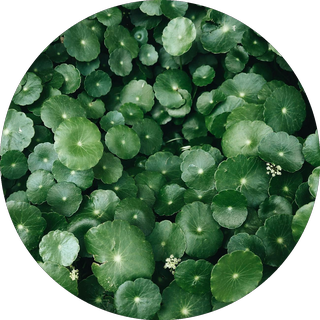
บัวบก
Centella asiatica is well studied for wound healing and connective-tissue repair.
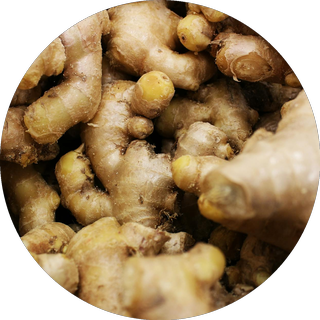
ขิง
Revives appetite, eases nausea, and warms a digestion weakened by illness.
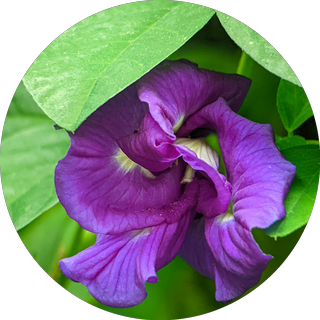
ยาบำรุง
Traditional restorative tonic formulas used to rebuild strength and vitality after illness.
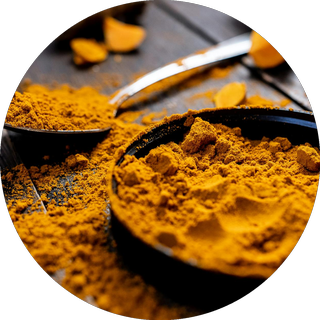
ขมิ้นชัน
Supports a healthy inflammatory balance and tissue repair during recovery.
Self-Care & Prevention
References & Further Reading
Frequently Asked Questions
Timing depends on your operation and your surgeon's clearance. Gentle dietary and tonic support can often begin early, while massage and movement are introduced only once wounds are healing well and your medical team approves.
Some herbs affect bleeding, blood pressure, or interact with medication. Our doctors review your full medication list and surgical notes before prescribing anything, and coordinate with your medical team.
Yes — our long-stay programme is well suited to convalescence, providing daily nourishing meals, gentle treatments, rest, and supervised graded activity in a calm environment.
Book a consultation and let our licensed practitioners build a personalised plan for you.
Book a Consultation