Eczema, acne, rashes, and slow-healing wounds understood as heat and impurity in the blood — cooled and cleared with Thai herbs inside and out.
Overview
Chronic skin problems — eczema, psoriasis, acne, hives, dermatitis — and persistent low-grade inflammation are often the surface signs of an internal imbalance. Thai traditional medicine treats the skin as a mirror of the blood and the body's heat: rather than only applying creams, it works to cool excess heat, cleanse the blood, and calm inflammation from within while soothing the skin from without.
General Causes
Several mechanisms commonly overlap:
The Thai Medicine View
Thai medicine frequently traces inflammatory skin conditions to excess Fire (ไฟ) and impurity in the blood (a Water/น้ำ-element disturbance), sometimes aggravated by Wind (ลม) that drives itching and spreading rashes. When internal heat is high and the blood is not "clean," it surfaces through the skin as redness, eruption, and irritation.
Treatment therefore cools and detoxifies: bitter and cooling herbs taken internally to clear heat and cleanse the blood, combined with soothing herbal washes, pastes, and lotions applied to the skin. Diet is adjusted to reduce heating foods, and gut and stress factors are addressed because they feed the inflammation.
Thai Traditional Treatment
Plans pair internal blood-cooling herbs with topical herbal care.
Bitter, cooling, and detoxifying formulas are prescribed to reduce internal heat, support the liver, and calm systemic inflammation that surfaces on the skin.
Herbal washes, pastes, and lotions — featuring turmeric, gotu kola, and aloe — soothe itching, support healing, and protect the skin barrier.
Because skin reflects the gut and blood, we adjust diet to reduce heating, inflammatory foods and support digestion and detoxification.
Key Herbs
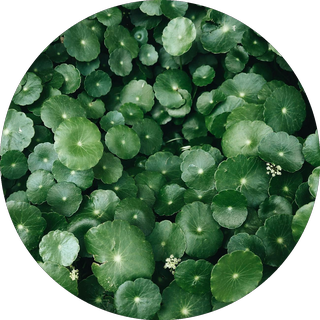
บัวบก
Centella asiatica supports wound healing, collagen, and calming of inflamed skin.
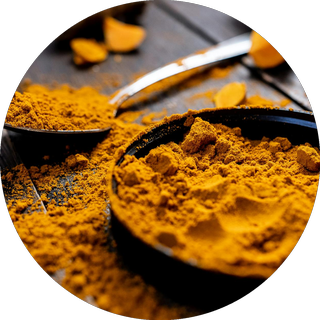
ขมิ้นชัน
Anti-inflammatory and antimicrobial; used traditionally on skin and as a blood cleanser.
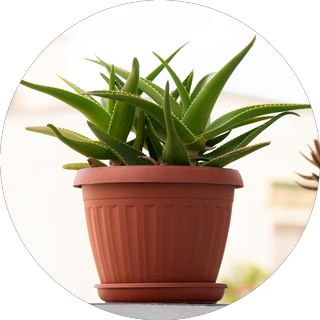
ว่านหางจระเข้
Cooling and moisturising; soothes burns, irritation, and inflamed skin.
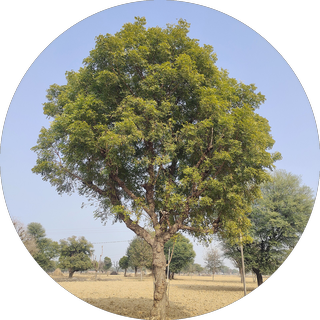
สะเดา
A bitter, cooling herb used traditionally to cleanse the blood and treat skin eruptions.
Self-Care & Prevention
References & Further Reading
Frequently Asked Questions
Usually yes, as a complement. Continue prescribed treatments and tell both your dermatologist and our practitioners what you are using, so topical and internal care can be coordinated safely.
Chronic skin conditions often fluctuate. We monitor your response and adjust the plan; report any irritation from a topical herb so it can be changed promptly.
Often dietary adjustments help, because skin reflects gut and blood health. Your practitioner will suggest changes suited to your constitution rather than a one-size-fits-all diet.
Book a consultation and let our licensed practitioners build a personalised plan for you.
Book a Consultation