
How a restless mind disturbs the body's wind element — and the Thai herbal, manual, and meditative methods that restore calm and deep sleep.
Overview
Chronic stress, anxiety, and insomnia feed one another in a loop: tension keeps the body alert, the alert body cannot sleep, and the sleepless mind grows more anxious. Left unaddressed, this cycle drains energy, weakens immunity, and worsens pain and digestion. Thai traditional medicine treats the mind and body as one system, working to settle the over-active "wind" that drives racing thoughts and broken sleep.
General Causes
These conditions are rarely caused by one thing. Common contributors include:
The Thai Medicine View
Thai medicine links anxiety and insomnia to an excess and disordered movement of the Wind element (ลม) — especially the wind that governs the heart and mind. When wind rises and will not settle, thoughts race, the chest feels tight, and sleep becomes shallow. A weakened Fire element can also leave the body unable to "digest" daily experience, while the spirit medicine branch (เวชกรรมไสยศาสตร์/สมาธิ) sees an unsettled mind as part of the illness itself.
Treatment therefore grounds and calms the wind: warming yet sedating herbs, slow rhythmic bodywork, aromatic therapy, breath regulation, and meditation. The goal is not merely to force sleep but to return the whole system to a state where rest comes naturally.
Thai Traditional Treatment
A calming plan typically blends internal herbs with hands-on and mind–body therapies.
Compounded preparations using traditional sedative and adaptogenic herbs help quiet the nervous system, ease tension, and support natural sleep onset without dependence.
Slow Thai massage, scalp and foot work, and herbal steam with calming aromatics lower physical tension and shift the body out of the stress response.
Guided mindfulness, breathing practice, and sleep-hygiene coaching — the spirit-medicine pillar — train the mind to settle and protect restorative sleep.
Key Herbs
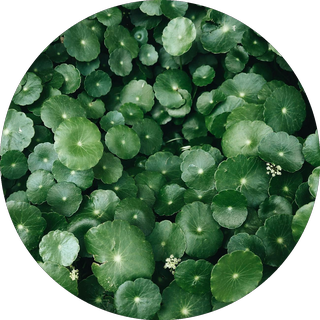
บัวบก
Centella asiatica is studied for reducing anxiety and supporting mood and cognition.
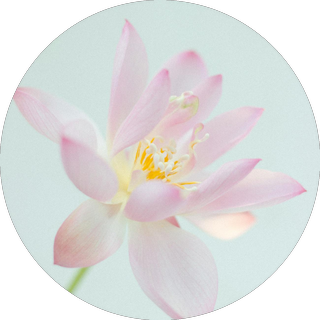
บัวหลวง
Traditionally used in calming teas to soothe the heart-mind and encourage restful sleep.
ตะไคร้
Aromatic and mildly sedative; used in calming teas and relaxing herbal steam.
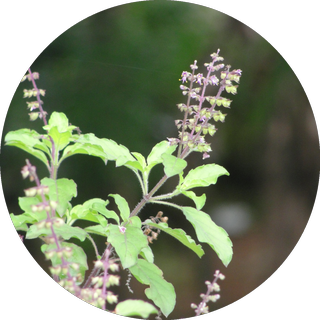
กะเพรา
An adaptogenic herb traditionally used to help the body cope with stress.
Self-Care & Prevention
References & Further Reading
Frequently Asked Questions
The traditional herbs we use are generally non-habit-forming and work by gently supporting the body, but they are still medicines. Your practitioner will guide dosing and review any sedatives you already take.
Often yes, but some herbs can interact with psychiatric medication. Bring a full list of your medicines so our doctors can screen for interactions and coordinate with your prescriber.
Many people feel calmer after the first sessions, but lasting change usually comes over a few weeks as herbs, bodywork, and new habits work together. Consistency matters more than speed.
Book a consultation and let our licensed practitioners build a personalised plan for you.
Book a Consultation